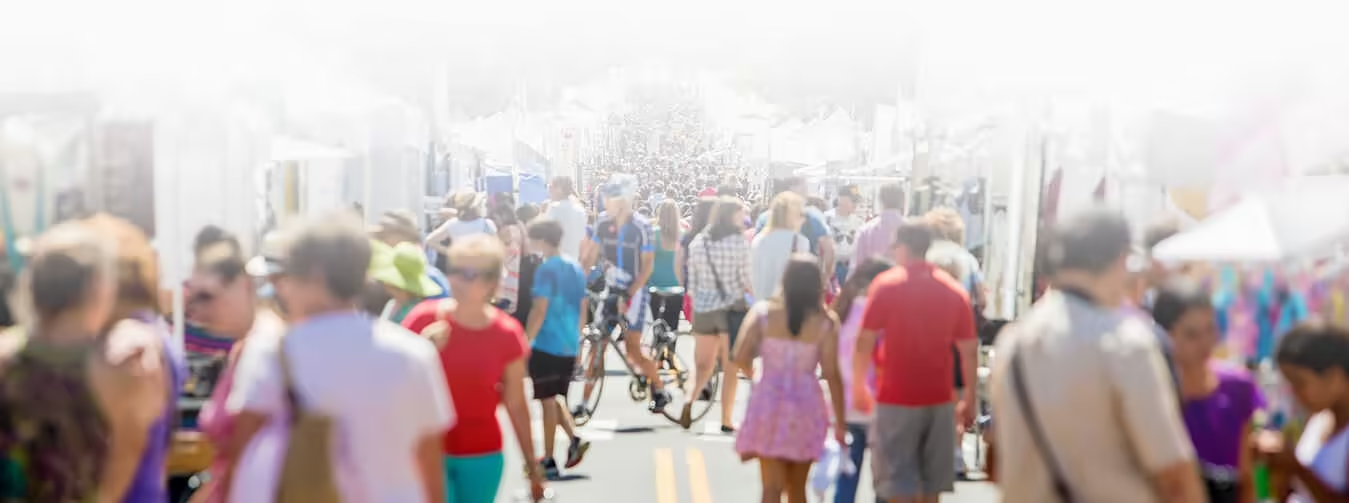


Becoming a city-certified festival food vendor is enough to turn anyone off the idea of eating giant turkey legs.
"Has anyone ever eaten something and shortly after you feel a gurgling in your stomach?" Daria Kulczycky asks her Summer Festival Food Vendor Sanitation Seminar one afternoon last week at Harold Washington College. The stern, middle-aged woman in a blue turtleneck is attempting to stir some gastrointestinal empathy in her students-myself included.
We will soon join the ranks of 2,200 vendors certified annually by the city to serve fried dough and meats on a stick to the masses at music festivals, neighborhood street fetes, farmers' markets and church fund-raisers. The workshop quickly feels like an episode of MTV's Scared Straight for summer food vendors.





 Your marketing plan gives you enough information to give an enthusiastic investor a fair amount of confidence that you won't be so buried in operating costs that your bottom line never sees the light of day, yet not enough to actually execute. It's not intended to be your "how to" manual, after all. So, what do you do?
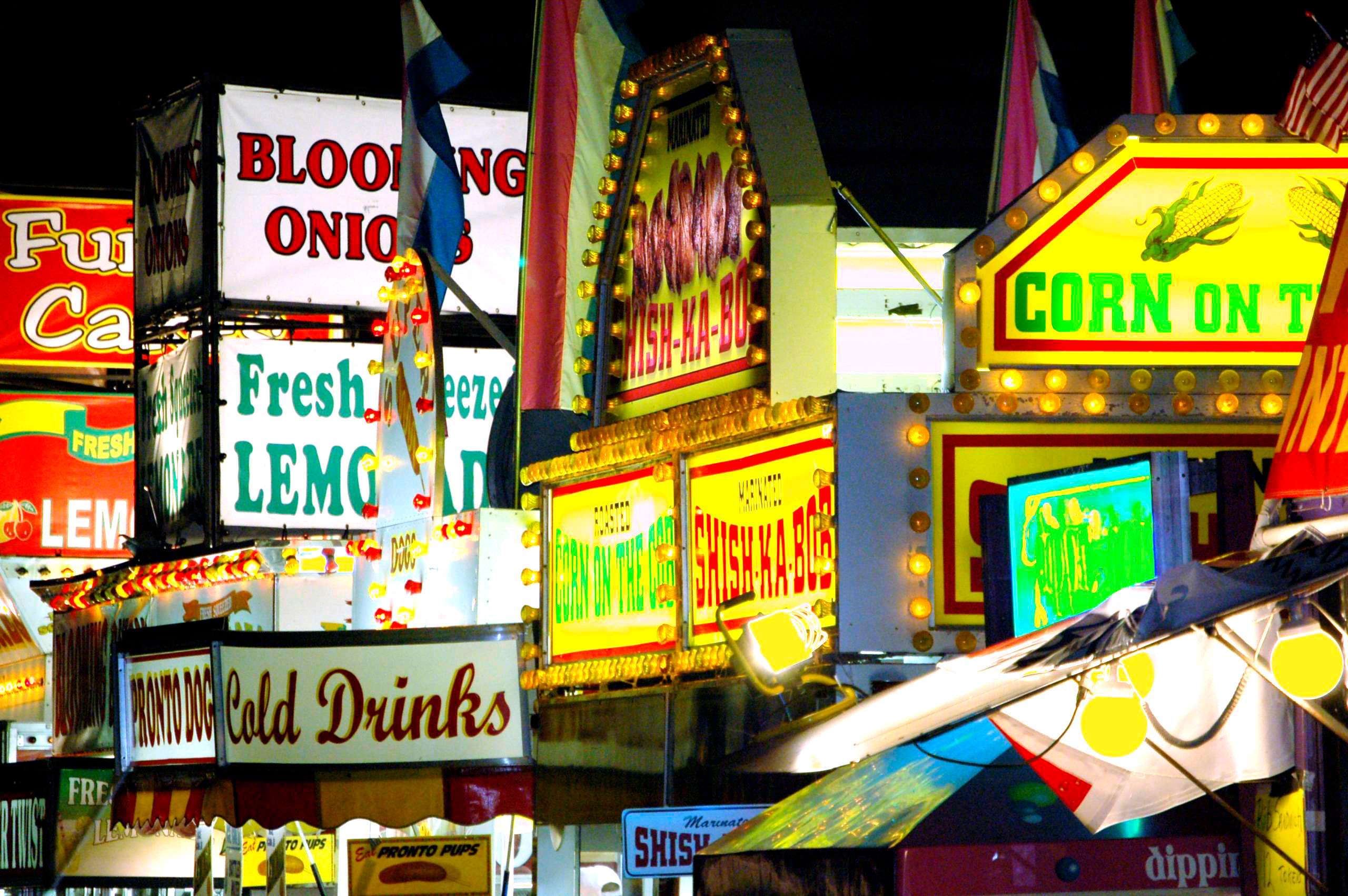
 Recently, as I drove through Portland Oregon, I passed several food carts that were closed for winter. It got me wondering what the operators of these carts do for income while they wait for better weather to re-open in the spring. It also makes me wonder why these people chose to open a food cart rather than sell seasonally at special events with a food concession. I assume the need for a full-time income is the main reason. But, if a food cart is forced to close for lack of sales, what is the advantage of having a food cart? Do they prefer to sell from a stationary location, regardless, rather than set-up at temporary events? Or, are there other reasons?