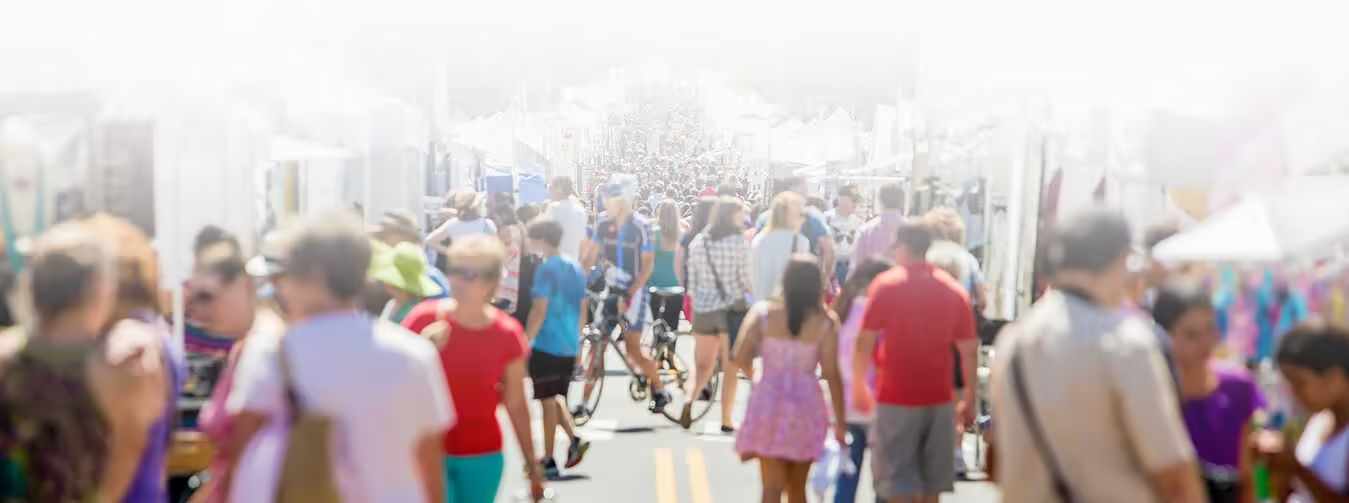


Art fairs and festivals aren't just about foot traffic — they're a chance to build your audience, grow your brand, and catch the eye of curators and galleries. Whether you're a first-timer or a seasoned vendor, these tips will help you get more out of every event.
1. Master the Basics of Sales
When someone steps into your booth, greet them warmly and let them know you're happy to answer questions. If they linger on a piece, share the story behind it — the inspiration, the process, the effort. People connect with stories, and that connection often turns into a sale.
A few other things that help: price your work at a range of price points, avoid overcrowding your display, restock as you sell rather than dumping everything out at once, and leave a little mystery — you don't need to explain every piece. Small perks like gift wrap or custom orders can also set you apart.
2. Design a Spacious, Inviting Booth
Give your work room to breathe. An overcrowded booth with too many props can push shoppers away rather than draw them in. Plan your layout in advance, and if it's your first show, do a full trial setup at home first so you know what works before you're on-site.
One underrated detail: your chair. A taller director's-style chair keeps you comfortable without sinking below eye level with your customers.
3. Keep Your Brand Consistent
Everything about your booth — signage, packaging, even how you carry yourself — should reflect your brand. Authenticity and consistency build trust, and a positive, approachable demeanor makes people more likely to stop and stay.
4. Stay Organized
Set up simple systems ahead of time: storage for inventory, a dedicated spot for sales supplies, and backups for the unexpected (weather changes, damaged materials, a dead phone battery). Don't forget the basics — water, snacks, hand sanitizer, and a battery pack for your card reader. Good organization saves you time when it matters most and makes a stronger impression on customers.
5. Follow Up on Every Lead
Bring business cards, and invite people to follow your social pages. Collect email addresses whenever you can — some of your best sales will come after the event, once you've built rapport. A consistent email newsletter is still one of the most effective (and underused) tools for small businesses.
6. Follow Event Instructions Closely
From the application process to load-out times, following an event's rules matters. Organizers notice reliable vendors, and that reputation follows you — it's often how you get invited back or referred to other festivals.
7. Do Your Homework Before You Apply
Before committing to any event, research it thoroughly. Read the full contract: refund policies, deadlines, fees, rain-or-shine terms, and setup requirements (tent color, weights, electricity, insurance). If you're new to the circuit, attend a few fairs as a visitor first and watch how experienced vendors operate.
A directory service like FestivalNet can help you track event details and deadlines — just verify dates independently, since festival information changes often and isn't always updated promptly on official sites or social media.