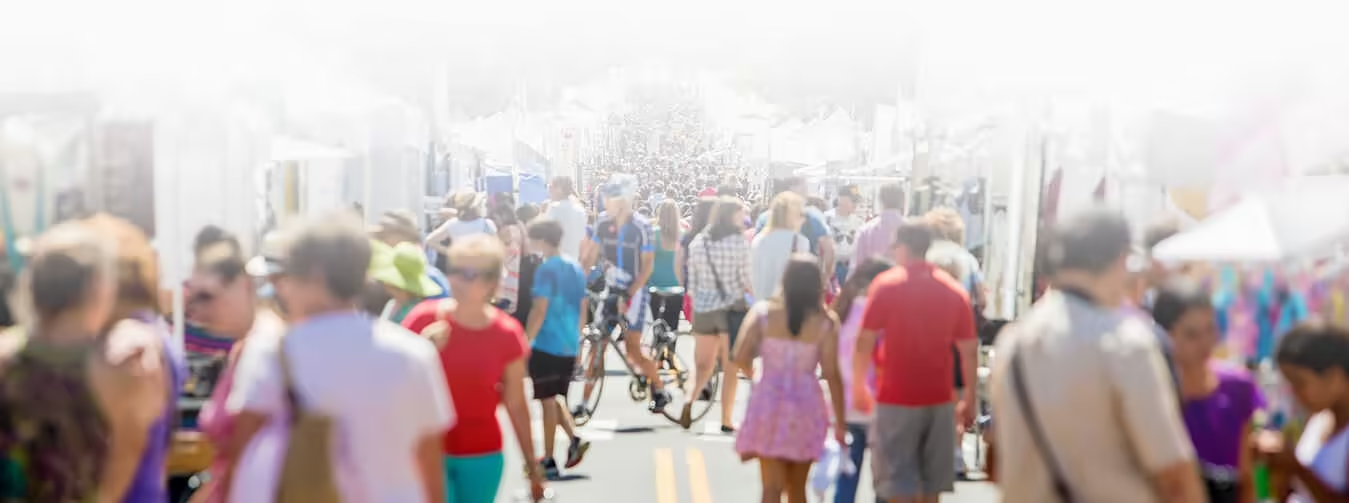


Where you set up at a festival can make the difference between a profitable weekend and a frustrating one. After almost 25 years working festivals, I've learned that securing a great spot isn't just luck — it's a skill.
Start the conversation before you arrive
Once you're accepted as a vendor, reach out to the event organizer and let them know what kind of space works best for your business.
Be specific and frame it in terms that benefit everyone. For example, you may have kids' games and want to be near the playground or you sell hot sauce and would like to be near the food area. Maybe you need to interact personally with customers where listening is essential, so ask for an area that's reasonably quiet, away from speakers or loud attractions, because it helps you serve customers better and keeps things pleasant for neighboring vendors. Perhaps you need a little extra space behind your tent for your spare goods or like me, need the space for the kids to line up. Most organizers appreciate vendors who communicate clearly and professionally.
Arrive the night before if at all possible
Setting up the day before the event opens is one of the most valuable habits you can develop as a festival vendor. It gives you the opportunity to see your spot in person, assess whether it works for you, and make adjustments before the chaos of opening day begins. Moving your entire setup after a festival has opened is stressful, time consuming and disruptive to everyone around you.
Know what makes a good spot
High foot traffic is imperative. Look for areas where people naturally flow through rather than dead ends or corners. Be cautious about spots right at the entrance or exit of the festival — while they seem like prime real estate, people are often just arriving or leaving and not yet ready to stop and engage. A spot slightly inside the flow tends to perform better.
What to do if your spot isn't working
Sometimes despite your best efforts, you end up in a challenging location. If you need to request a move, approach the event coordinator calmly and professionally. Explain your concern clearly, suggest a specific alternative if possible, and be gracious regardless of the outcome. How you handle difficult situations reflects on your reputation as a vendor — and festival circuits are smaller than you think.
Use the slow moments wisely
Sunday mornings are often quieter at festivals, particularly in areas where many attendees are at church. Use that time to walk the grounds, observe what's working at other booths, and make any adjustments to your own setup. You'll be refreshed and ready when foot traffic picks up later in the day and be sure to have extra business cards on hand in case networking with other vendors takes place. This is a good practice because with other vendors you will hear about the good shows and the bad shows. Remember though, their ideal clientele may be different than yours.
Getting a great spot takes preparation, communication and a little patience. But once you've mastered the art of positioning yourself well, it becomes one of your most reliable tools for a profitable festival season.
Dawn Gurtner is a professional face painter, henna artist and festival vendor with almost 25 years of experience. She is the author of Festival Face Painting: Your Guide to Earning Big and Thriving, available on Etsy and Amazon. She also offers Sunshine's Festival Face Painting Masterclass — a beta course currently open at the lowest price it will ever be. Email "BETA COURSE" to SunshineDreamsArtCenter@gmail.com for details. Find her at sunshinedreamsart.com or follow along at facebook.com/SunshineDreamsFacePaintingandHenna.