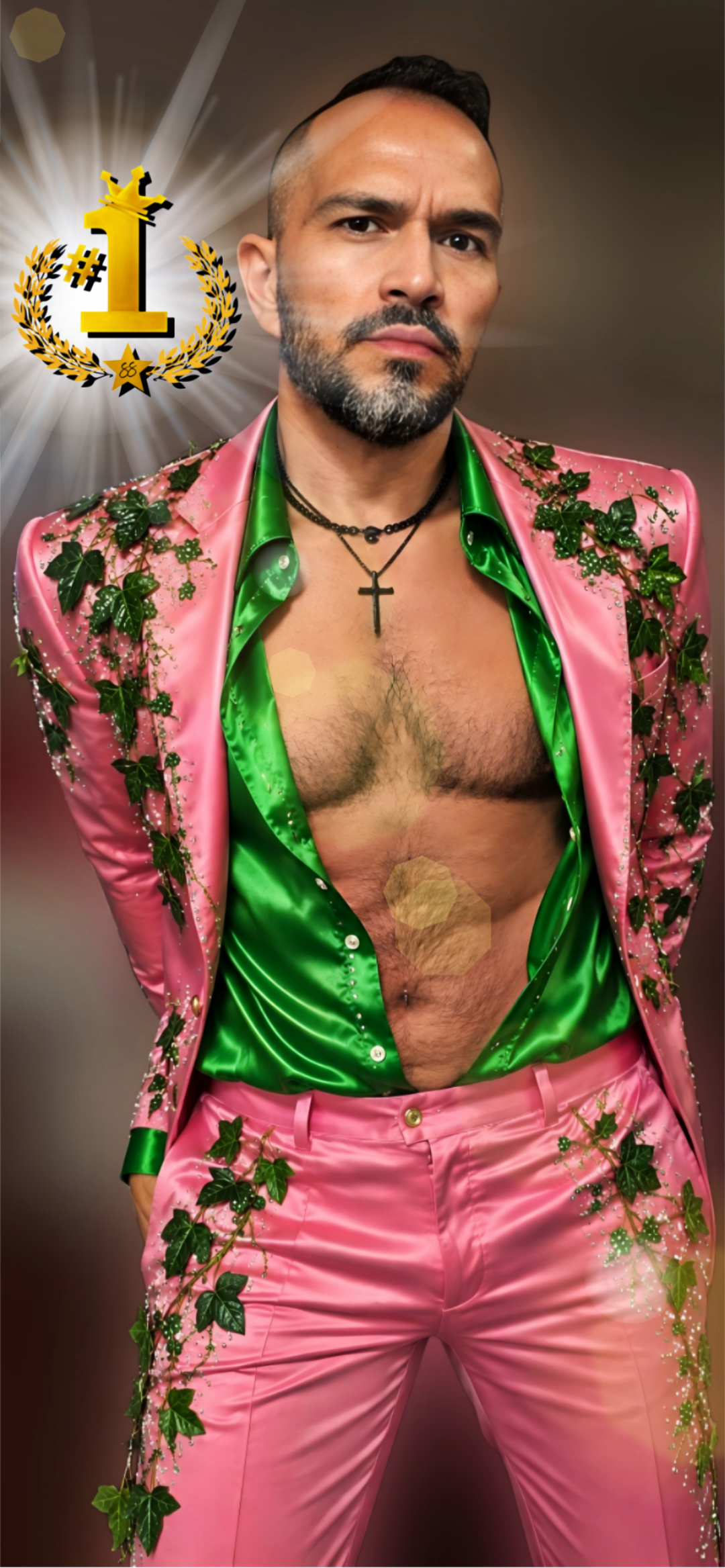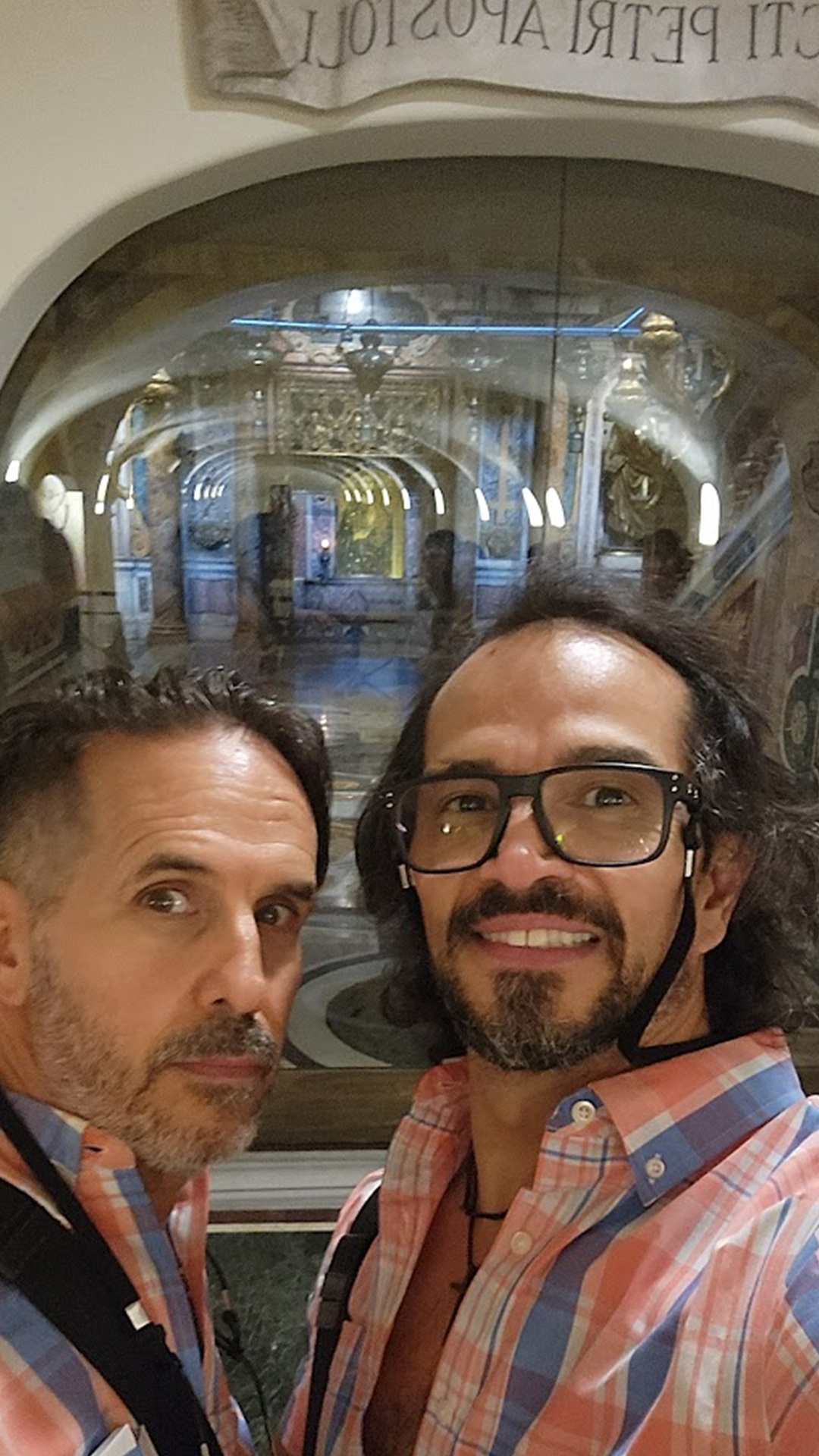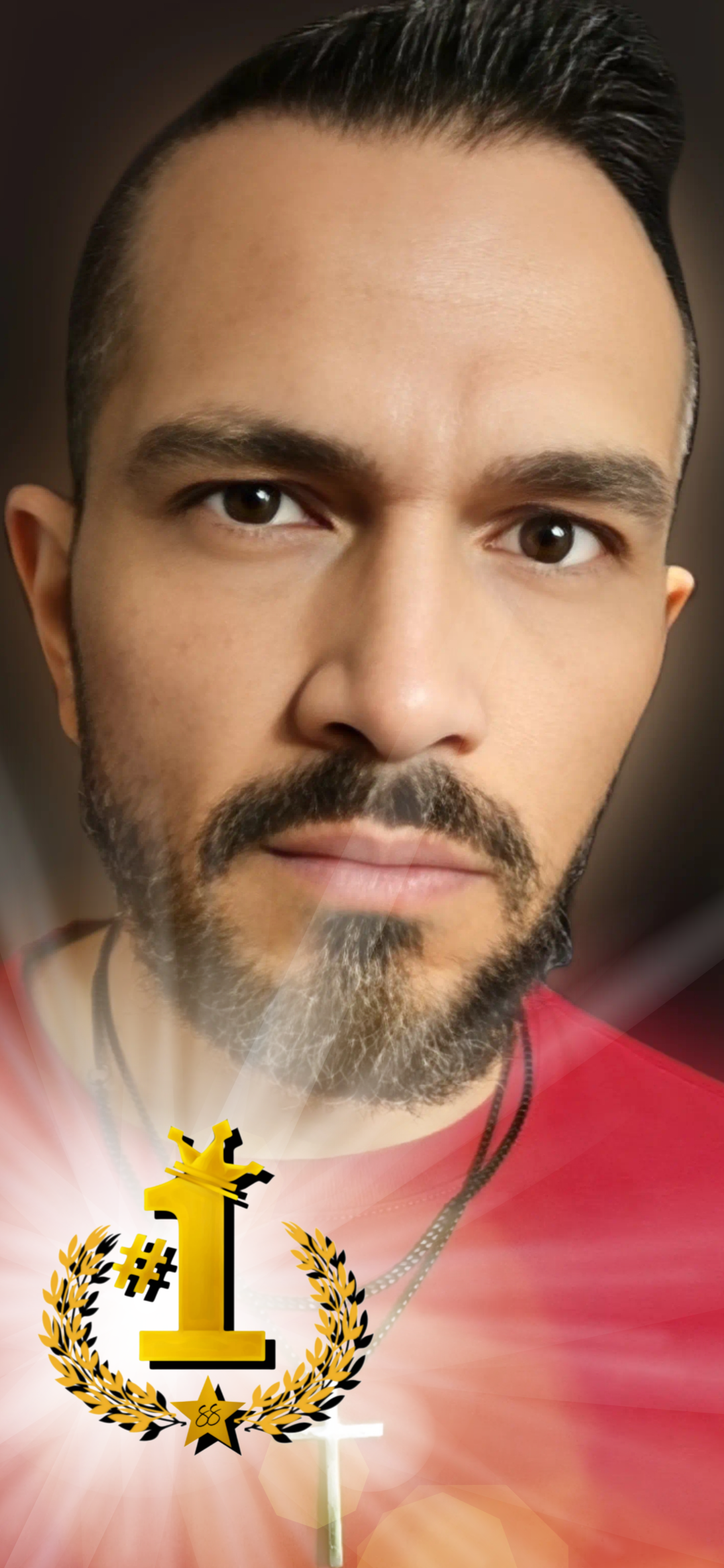

NEW YORK, LOS ANGELES, LONDON and TOKYO — Turn up the volume. Sidow Sobrino is letting the monsters out again.
From September 30 through November 9, The World’s No.1 Superstar® resurrects Happy Halloween, his high-voltage collision of electronic music, horror, comedy and nocturnal excess. Driven by pulsating techno rhythms with a nod to Berlin’s club culture, the track turns Halloween into something made for the dance floor rather than the haunted house.
Originally released in 2023, Happy Halloween appears on My Amir, Sobrino’s album submitted for consideration in two GRAMMY® Award categories. Its accompanying visual, filmed in Uniontown, Pennsylvania, takes the record’s eccentricity somewhere stranger.
After Sobrino theatrically chokes on a French fry, Richard Sidow-Sobrino enters as Dr. Nulife. Richard—who also supplies background vocals—plays the bizarre rescue straight, setting the stage for the emergence of Monster Friken Fry, Sobrino’s monstrous alter ego and the video’s unlikely cult hero.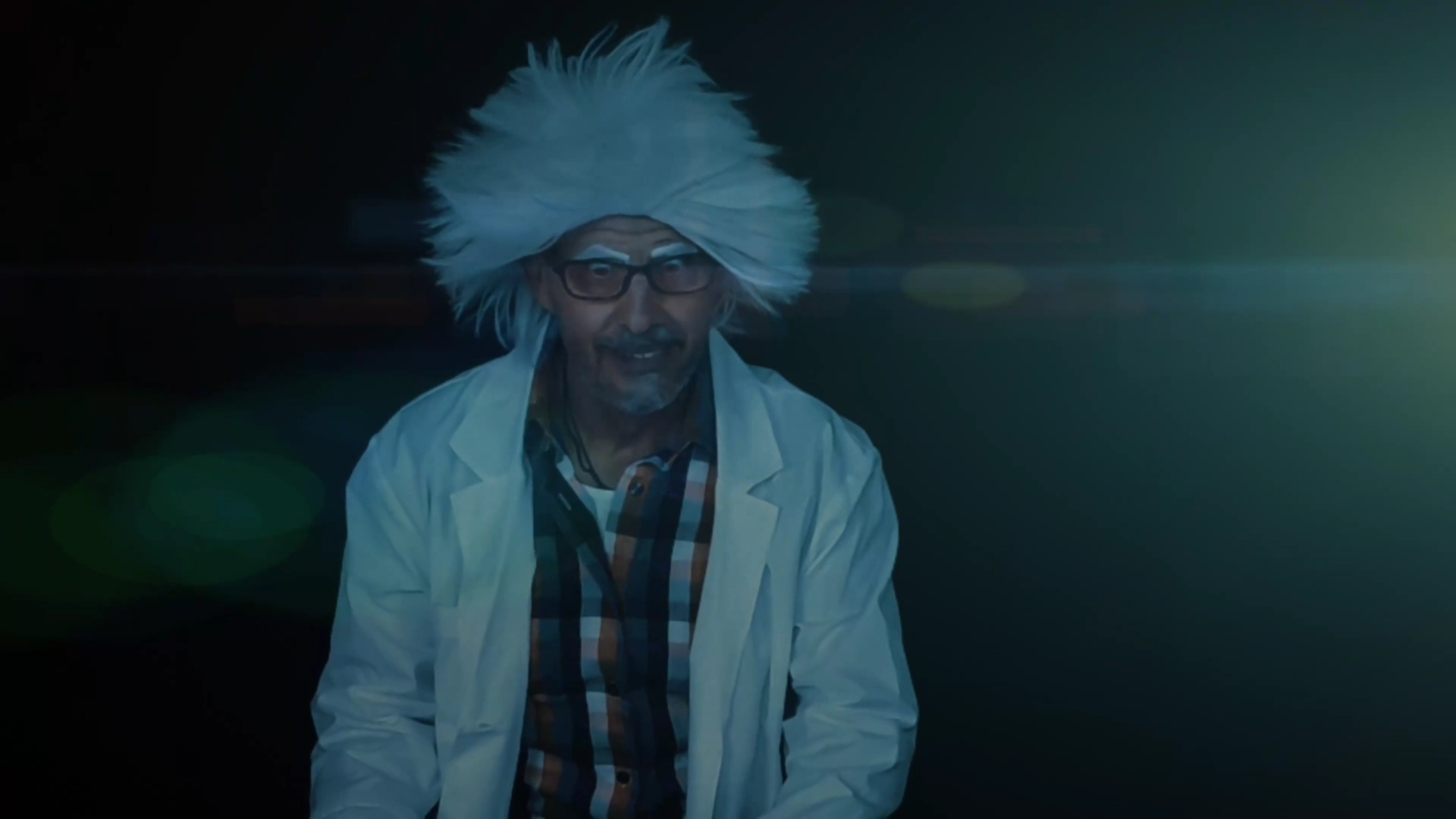
Behind the mayhem is Sobrino’s belief that a music catalogue should keep moving long after release day—circulating, returning and finding another audience.
“If topping music charts, starring in blockbuster films, or winning awards is your idea of making history, you’re following the same tired herd. Find a new way to shine. But remember: the throne belongs to Sidow Sobrino — The World’s No.1 Superstar®.”
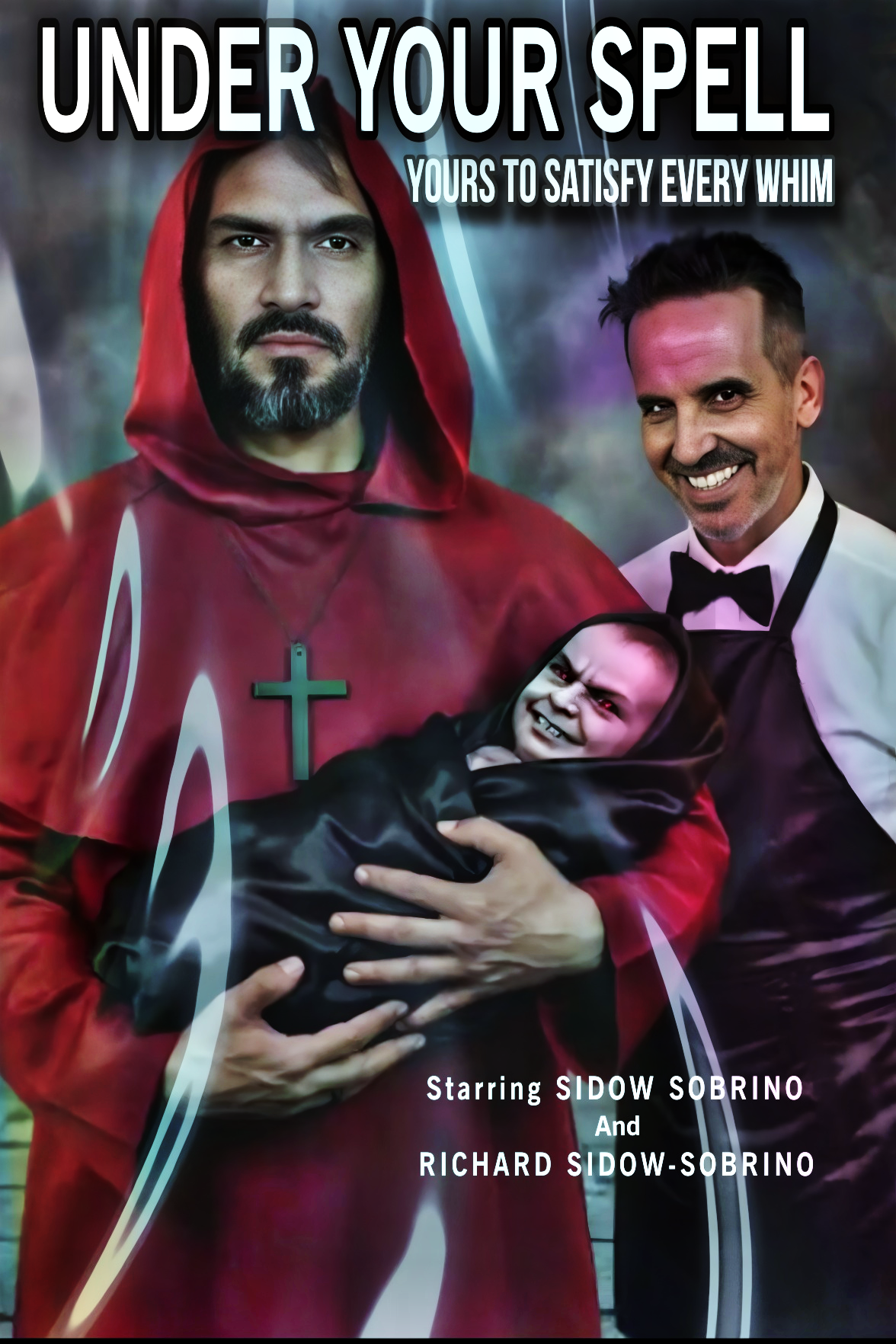
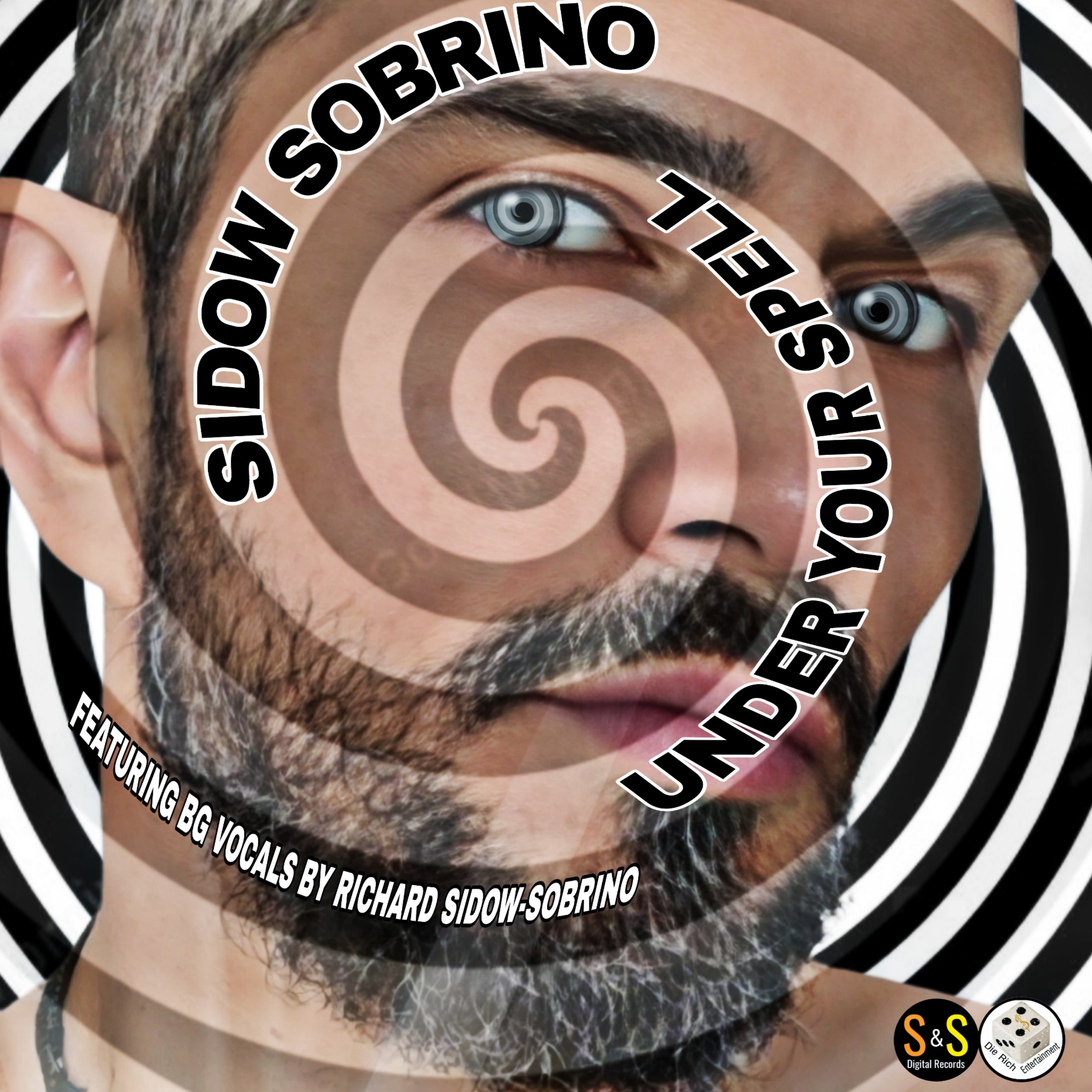
The darker trip continues with Hungry for Your Love and Under Your Spell.
Stream the song. Watch the video. For now, Monster Friken Fry lives, Dr. Nulife is on call, and Happy Halloween owns the night. On November 9, it’s back to the tomb—until it rises again.